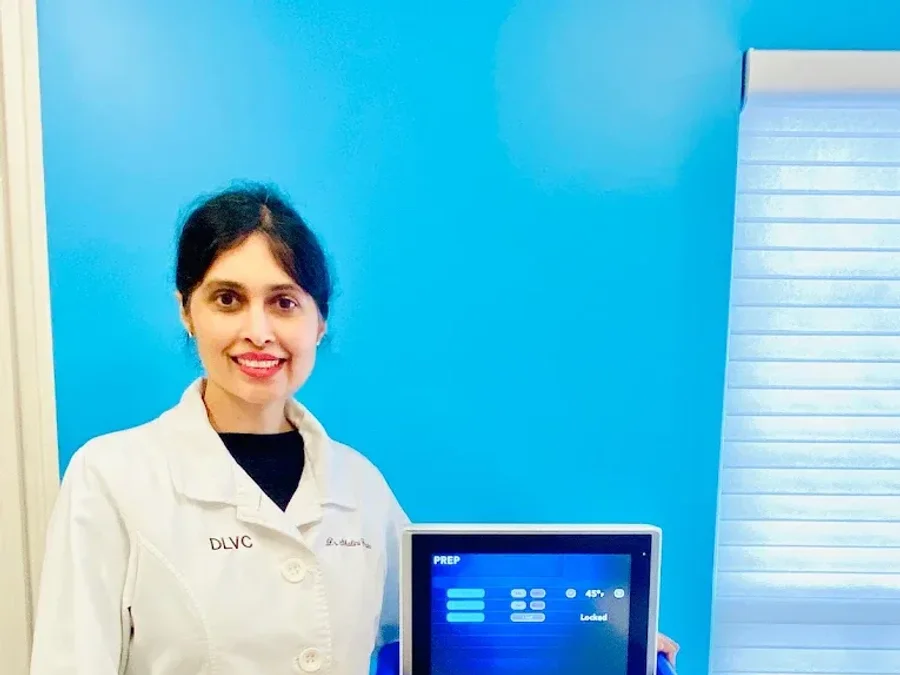
SmartGraft Hair Restoration
Minimally invasive follicle transplant.

Thinning hair is a medical problem, and it deserves a medical answer. At our Montgomery Road office, we pair SmartGraft follicle transplants with regenerative therapies that strengthen the hair you still have.
Real hair restoration works both directions. SmartGraft moves healthy follicles from where hair is permanent to where it has thinned, one graft at a time, with no linear scar. Exosome and plasma protein therapies work on the follicles you still have, using regenerative biology to push weakening hair back toward a growth phase.
Because hair loss has many causes, the starting point is a scalp evaluation with a dermatologist, not a package.
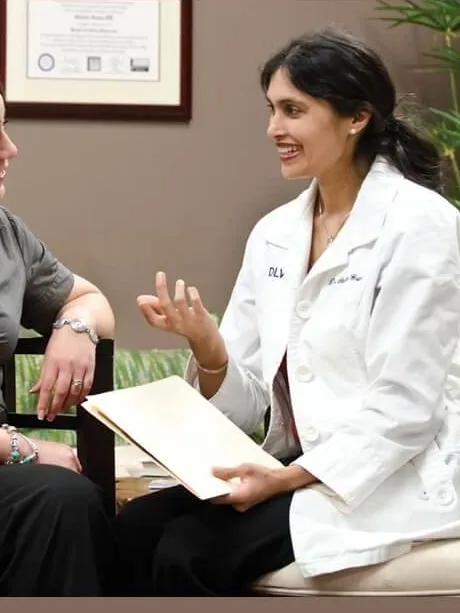
Your provider examines your scalp and hair pattern and reviews your history, because thinning driven by genetics, hormones, stress, or a medical condition each calls for a different response. Sometimes the first step is not a procedure at all.
Earlier thinning often responds to regenerative therapy alone. More established loss may call for SmartGraft transplantation, frequently combined with injections to support the grafts and the surrounding native hair.
Regenerative sessions are quick office visits with injections into the scalp. SmartGraft is a single longer day under local anesthesia in which follicles are harvested and placed individually, with most patients back to routine within days.
Hair grows in cycles, so patience is part of the plan. New growth typically becomes visible over three to six months and continues filling in for a year. Follow-up visits let your provider monitor your progress and adjust the plan as your hair grows in.
It depends on how far the thinning has progressed and what is driving it. Early, diffuse thinning often responds well to exosome or plasma protein therapy, while established bald areas need SmartGraft transplantation to regain density. The scalp evaluation sorts this out before anything is scheduled.
SmartGraft harvests follicles individually rather than cutting a strip of scalp, so there is no linear scar and recovery is faster. The grafts are held in a temperature-controlled, sterile chamber in the device between harvest and placement to preserve their viability, and the transplanted hair is your own, growing naturally where it is placed.
Exosome and plasma protein injections are designed to signal weakening follicles back toward an active growth phase, and many patients see thicker, denser hair over the following months. They work on live follicles, not bare scalp, which is why starting earlier matters. Exosome therapy and plasma protein therapy for hair loss are not FDA-approved treatments, and we will explain that status, along with what the evidence does and does not show, before you decide.
No. Women make up a meaningful share of our hair restoration patients. Female pattern thinning tends to be diffuse rather than a receding line, which often makes the regenerative therapies a natural starting point, though women can be SmartGraft candidates too.
Hair works in cycles, so expect the first visible improvement around three to six months, with results continuing to build for up to a year after treatment. Transplanted hairs shed before regrowing, which is normal and expected.
SmartGraft is priced by the number of grafts and regenerative therapy by the number of sessions, so costs vary widely between patients. You receive an exact quote at your consultation, and CareCredit financing is available.
Tell us how long you have noticed thinning and what you have tried. We will come back with realistic options, from in-office treatments to SmartGraft.
Your details go straight to our Montgomery Road front desk and are never shared. A team member replies during office hours, usually the same day.

Book a consultation at our Montgomery Road office, or call and we will help you decide where to start.
Medically reviewed by Shalini Gupta, MD, Harvard-trained dermatologist and founder of The Dermatology, Laser & Vein Center. Last reviewed September 2026. This page is for education and is not a substitute for a personalized medical consultation.

